
Snorkeling vs Diving in Mexico: Complete Comparison Guide for Your Perfect Water Adventure
Mexico is one of the world's most privileged destinations for water activities, with over 11,000 kilometers of coastline bathed by the Pacific Ocean, Gulf of Mexico, and Caribbean Sea. Its crystal-clear waters host some of the planet's richest marine ecosystems, from the coral reefs of the Riviera Maya to whale shark encounters in La Paz.
If you're planning your next water adventure in Mexico, you're probably facing the decision between snorkeling or diving. Both activities allow you to explore the underwater world, but each offers completely different experiences. In this comprehensive guide, we'll help you understand the differences, advantages, and disadvantages of each option so you can choose the adventure that best fits your needs.
What is Snorkeling?
Snorkeling is a surface water activity that allows you to observe marine life while floating on the water's surface or making short dives. Basic equipment includes a mask, breathing tube (snorkel), and fins.
Advantages of Snorkeling
Total Accessibility Snorkeling is ideal for people of all ages and experience levels. It doesn't require special certifications or extensive prior training. Virtually anyone who can swim can enjoy this activity.
Economic Cost It's significantly more economical than diving. Basic equipment can be rented for a fraction of diving equipment costs, and you don't need to pay for certifications or specialized courses.
Flexibility and Freedom You can practice snorkeling independently, without needing guides or groups. You have the freedom to explore at your own pace and decide how much time to spend in each area.
Fewer Physical Restrictions There are no time limits underwater like in diving. You can float on the surface as long as you want, and it's less physically demanding.
Ideal for Surface Photography Perfect for capturing the beauty of shallow reefs and marine life that inhabits shallow waters.
Disadvantages of Snorkeling
Limited Depth You're restricted to the surface and very short dives. You can't explore underwater caves, deep wrecks, or marine life that inhabits deeper waters.
Weather Dependency Surface sea conditions affect the experience more. Waves, wind, and currents can make the activity less pleasant.
Limited View While you can see a lot from the surface, you miss the complete three-dimensional experience of the underwater world.
What is Diving?
SCUBA diving allows you to fully submerge in the ocean, breathe underwater, and explore marine depths for extended periods.
Advantages of Diving
Deep Exploration You can descend up to 30 meters (with basic certification) or more with advanced certifications, accessing completely different marine ecosystems.
Complete Immersive Experience You live a complete three-dimensional experience, floating in underwater space and observing marine life from all angles.
Access to Unique Sites You can explore underwater caves, cenotes, deep reefs, historical wrecks, and geological formations that are inaccessible from the surface.
Unique Marine Encounters Greater possibilities of encountering large species like sharks, manta rays, turtles, and pelagic fish that generally inhabit deeper waters.
Extended Exploration Time You can remain underwater between 30 and 60 minutes, depending on your air consumption and depth.
Disadvantages of Diving
High Cost Requires significant investment in certification, equipment, and specialized tours. Certification courses can cost several thousand pesos.
Restrictions and Requirements You need mandatory certification, must meet medical and age requirements, and follow strict safety protocols.
Operator Dependency Must be done with certified operators and in supervised groups, reducing flexibility.
Additional Risks While safe when practiced correctly, it carries additional risks like decompression sickness and pressure-related problems.
Comparison by Destinations in Mexico
Riviera Maya and Cozumel
Best for Snorkeling: Akumal reefs, Xel-Há, shallow cenotes Best for Diving: Mesoamerican Reef, deep cenotes, Cozumel
The Riviera Maya offers the best of both worlds. For snorkeling, Akumal is famous for sea turtle encounters in shallow waters. For diving, Cozumel is considered one of the world's best destinations.
Los Cabos
Best for Snorkeling: Chileno Bay, Santa María Bay Best for Diving: Cabo Pulmo, El Bajo, hammerhead shark encounters
Los Cabos offers incredible marine diversity. Snorkeling is excellent in protected bays, while diving allows you to encounter large pelagic species.
Puerto Vallarta
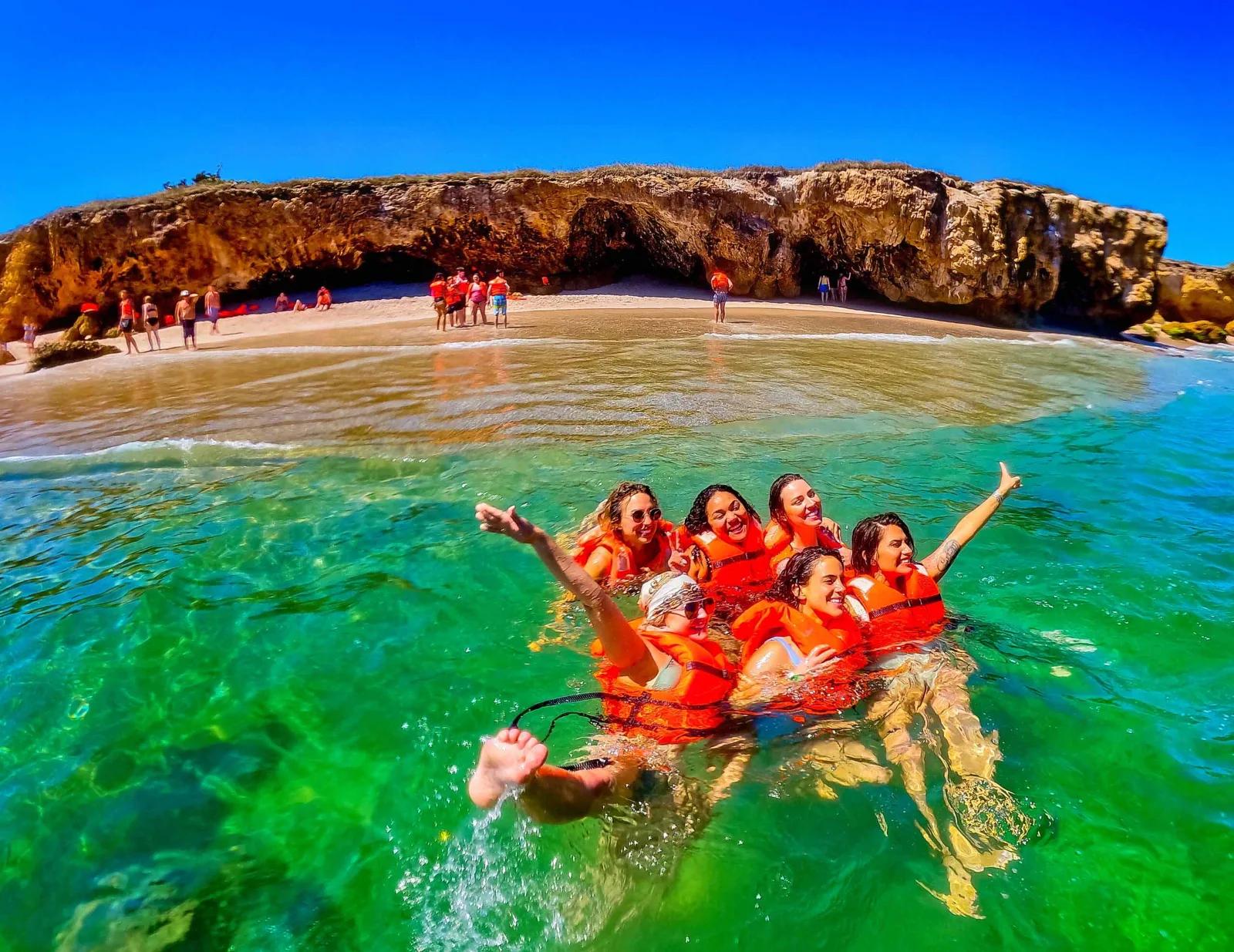
Best for Snorkeling: Marietas Islands, Los Arcos Best for Diving: El Morro, Las Caletas, manta ray diving
Banderas Bay provides ideal conditions for both activities, with protected sites for beginners and more challenging sites for experienced divers.
Who is Each Activity For?
Snorkeling is Perfect For:
- Families with children under 12 years old
- Beginners with no previous experience
- People with limited budgets
- Travelers with limited time
- People with claustrophobia or underwater anxiety
- Those who prefer relaxed activities
Diving is Ideal For:
- Experienced adventurers seeking thrills
- People with flexible budgets to invest in the experience
- Travelers with enough time to take certification courses
- Professional underwater photography lovers
- Explorers who want to access unique sites
- Physically fit people for more demanding activities
Factors to Consider When Choosing
Budget
- Snorkeling: $15-40 USD per day (equipment and tour)
- Diving: $75-150 USD per dive (plus certification if needed)
Available Time
- Snorkeling: Half day is sufficient
- Diving: Requires full day, plus time for certification
Water Comfort Level
Be honest about your comfort level. If you feel anxious underwater, start with snorkeling.
Experience Objectives
Are you looking for relaxation and family fun, or an intense adventure and deep exploration?
Final Recommendations
For Beginners
Start with snorkeling to familiarize yourself with equipment and marine environment. Many snorkeling sites in Mexico are spectacular and provide an excellent introduction to the underwater world.
For Experienced Travelers
If you already have experience in water activities and are looking for something more challenging, diving will open a completely new world of possibilities.
The Perfect Combination
You don't have to choose just one. Many Mexican destinations offer packages that combine both activities. You can snorkel in the morning and dive in the afternoon, or alternate activities during your stay.
Safety Considerations
Regardless of your choice:
- Always use equipment in good condition
- Follow local guides' instructions
- Respect marine life and ecosystems
- Never practice these activities alone
- Verify that operators are certified
Conclusion
Both snorkeling and diving offer incredible experiences in Mexican waters. Your choice should be based on your experience level, budget, available time, and personal objectives. Snorkeling is perfect for a relaxed and accessible experience, while diving offers a more intense and deep adventure.
Mexico has some of the world's best sites for both activities, so regardless of what you choose, you'll be in the right place for an unforgettable water adventure. Why not try both during your next visit?